
Our Why
Why We Do What We Do
Globally, 16% of the population lives with a disability, including an estimated 240 million children (WHO, 2024). In Uganda, 13–16% of children live with some form of disability, placing them among the country’s most vulnerable groups. Yet many remain excluded from education, healthcare, and essential public services, creating the urgent need for coordinated, multisectoral interventions that address health, education, social protection, and poverty reduction.
Access to specialised healthcare and rehabilitation services remains limited, costly, and inequitable. While new service providers have emerged in recent years, many operate at a small scale, are fragmented, and reach only a few children. Weak regulation and limited quality monitoring pose serious risks, as inappropriate or substandard interventions can result in significant harm. The absence of coordination across providers prevents the delivery of the comprehensive, multidisciplinary care required for children with disabilities to survive and thrive.
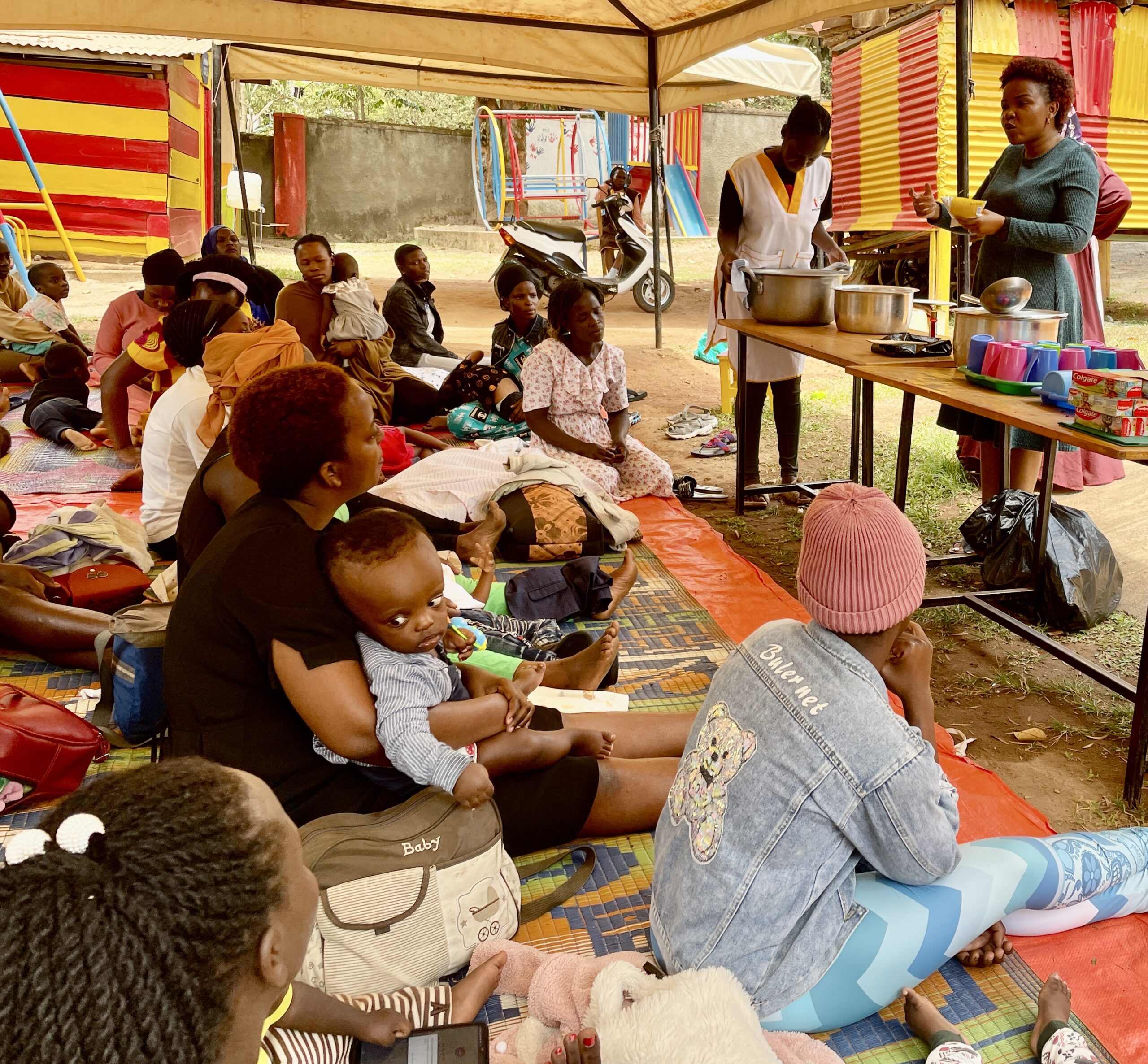
Families and caregivers bear a heavy and often invisible burden of care. Parents shoulder long-term physical, emotional, and financial responsibilities, frequently with minimal support. In Uganda, the cost of caring for a child with a disability covering transport, therapy, medications, assistive devices, specialised nutrition, and caregiving can range from UGX 200,000($56) to over UGX 1,000,000 (278)per month, far exceeding the capacity of most households. Many caregivers are forced to reduce or abandon income-generating activities, deepening poverty, stress, and social isolation, and perpetuating cycles of vulnerability.
Educational exclusion remains widespread due to a shortage of teachers trained in inclusive education. In 2025, the Ministry of Education and Sports introduced a Continuous Professional Development (CPD) package to strengthen inclusive practices. Mukisa Foundation complemented this effort through specialised disability training for teachers and Community Health Workers, supporting the creation of inclusive learning environments where children with disabilities can learn and succeed.
Persistent stigma and harmful social norms further marginalise children with disabilities. Girls with disabilities face heightened risks of sexual exploitation and early pregnancy, compounding their vulnerability. Community sensitisation and awareness initiatives remain essential to reducing stigma, strengthening protection, and promoting inclusion and dignity.
Although Uganda has progressive legal and policy frameworks protecting the rights of persons with disabilities, implementation and enforcement remain weak. Realising these rights requires sustained political will, adequate financing, and strong monitoring and accountability mechanisms.
Mukisa Foundation addresses these interconnected challenges through its 360° Model, integrating health, education, socioeconomic empowerment, awareness, and advocacy. This approach recognises that children with disabilities can only thrive when their families and caregivers are also supported. Through this model, Mukisa has expanded access to healthcare, nutrition, therapy, caregiver support, and community awareness.